Kitchens are the hub of activity in most homes, and kitchen countertops are the most exposed to the daily effects of wear, scratches, heat and dirt. There are several materials that can be used for kitchen countertops, but none have such a wide range of advantages as granite.

Granite is:

  • wear-resistant
  • scratch-resistant
  • resistant to high temperatures common in the kitchen
  • resistant to dirt (if properly protected before first use)
  • very easy to clean
  • a durable material that will certainly outlast, but also extend the life of the wooden parts of your kitchen
  • The vibrant color palette and exceptional resistance and durability of granite will certainly enrich your kitchen, but also increase the resale value of your home.

Thicknesses of kitchen worktops

Granite kitchen countertops are most often made from 3cm thick granite slabs, and less often from 2cm thick slabs (in which case it is necessary to ensure a larger contact surface on the substructure) or from slabs of greater thickness.

Open in the desktop

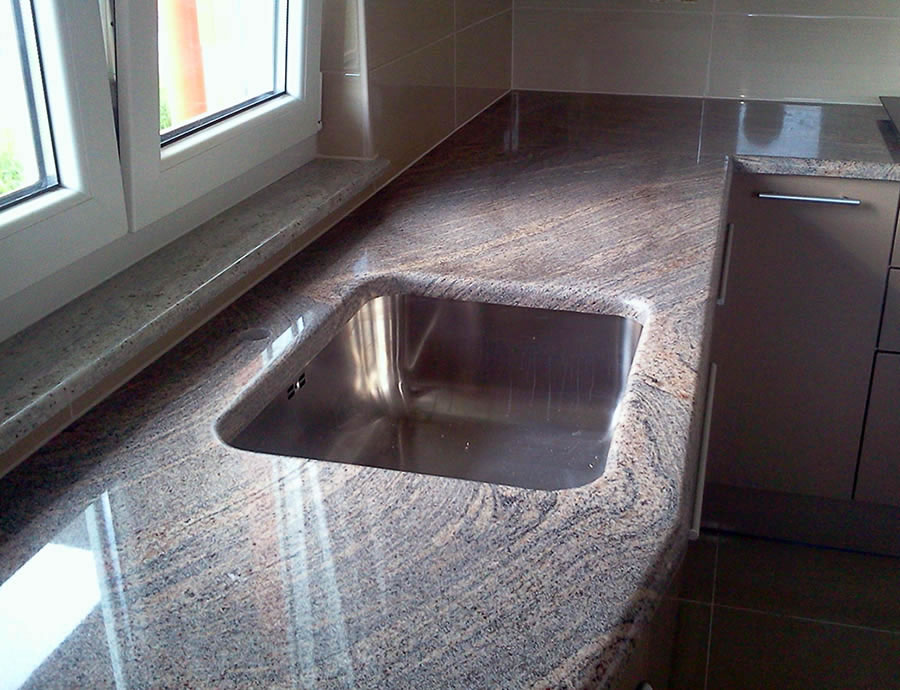
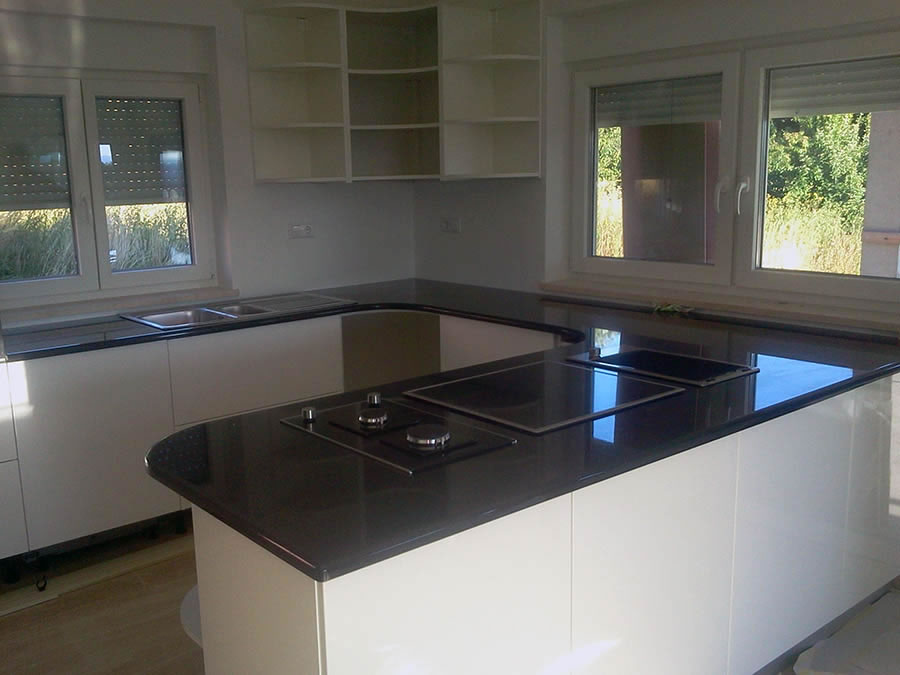
It is common and often necessary to make openings in a kitchen worktop for installing a sink or hob. Since such openings significantly affect the strength of the worktop, it is common practice to reinforce the worktop along the openings by installing reinforcing strips into the stone itself.

Worktop edges

When ordering a kitchen worktop, in addition to selecting the thickness of the worktop, you can also choose from several different edge treatments.

The worktops can be finished with a simple flat polishing of the edges, which gives a contemporary look. Any rounding or profiling gives a more rustic look, but also a more ergonomically suitable edge.

In addition to the profiling itself, the edges can also be visually thickened by adding a strip on the underside of the worktop.

Vertical surface above the worktop

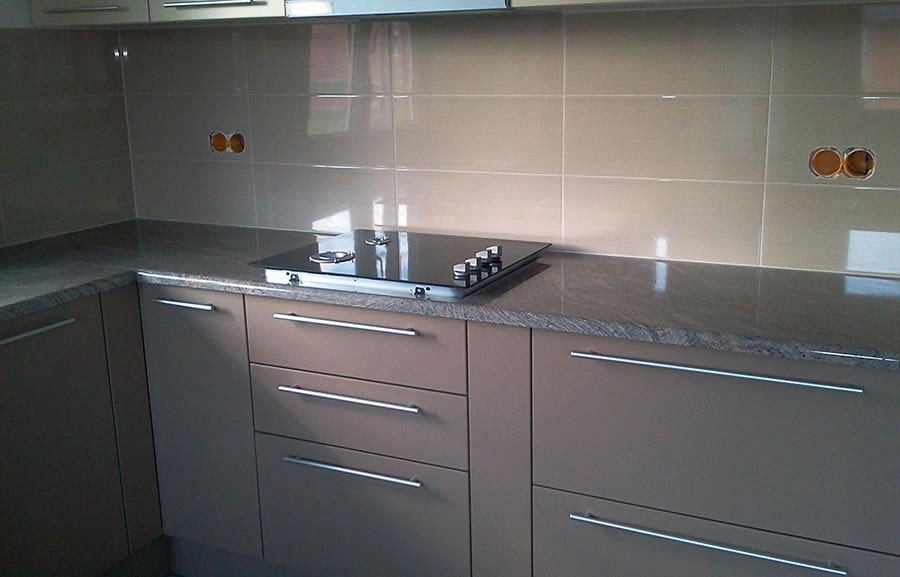
The vertical surface above the worktop serves to prevent the wall above the worktop from getting dirty. It is important that the said surface is made of a material that is easy to maintain. Although this is not necessary, the vertical surface is often covered with the same granite as the worktop.

It is recommended that the vertical surface (regardless of whether it will be made of stone, ceramic or glass) be installed after the worktop is installed. Previously installed vertical coverings significantly complicate the manufacture and fitting of the worktop, and therefore in some cases it is necessary to manufacture and install a corner molding at the junction of the worktop and the vertical surface.

Product added to compare.